


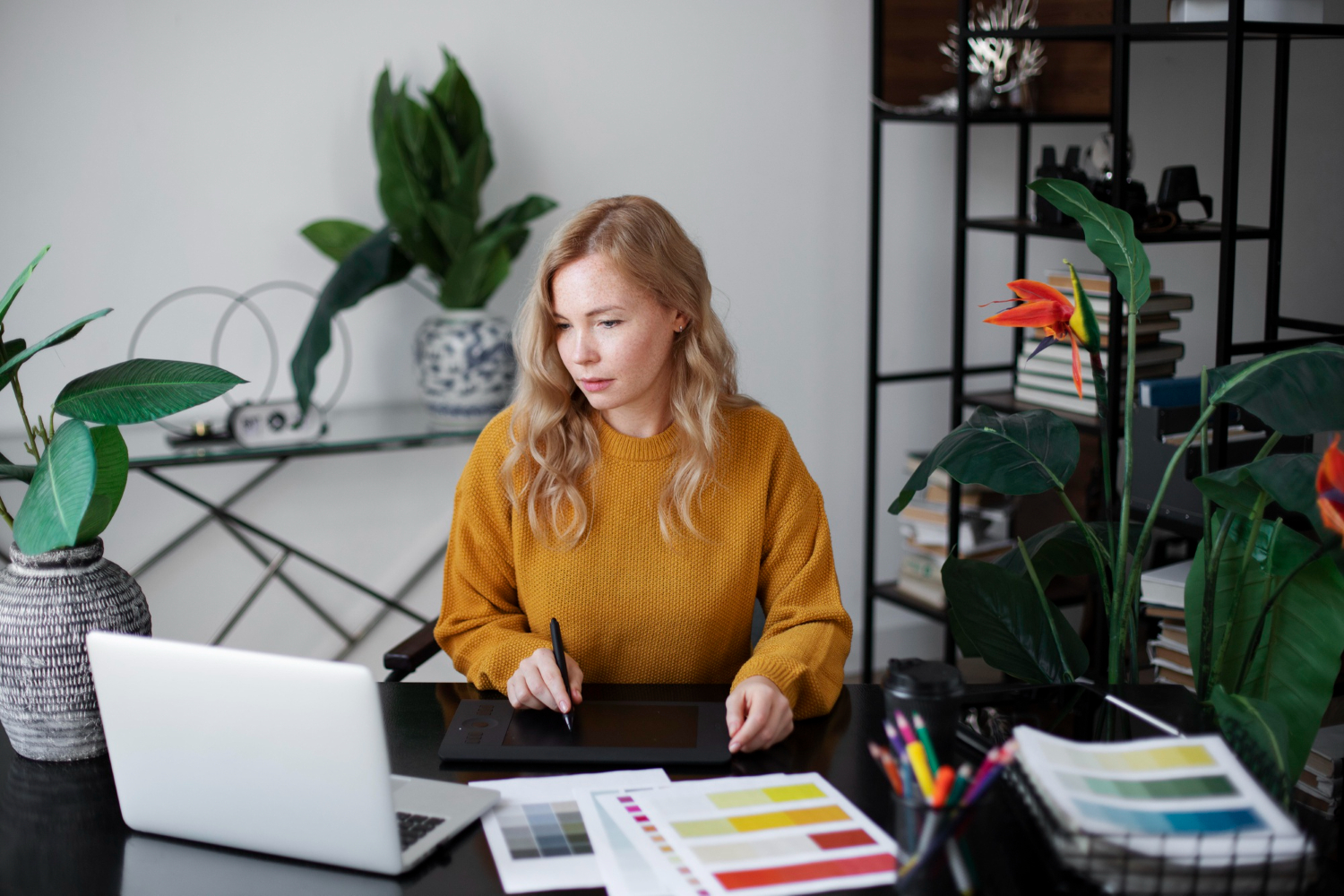
Most of the time, graphic design work happens quietly behind the scenes. During winter, especially in places like Leduc, Alberta, it’s common to be deep into creative work while snow falls outside. It’s also when lots of businesses are updating brochures, prepping spring promotions, or refreshing their look online. These projects don’t usually start with flashy images. They begin with thoughtful planning.
An online graphic design service lets businesses hand off creative work to someone who knows how to shape ideas into usable visuals. For people who haven’t worked with designers before, it’s not always clear how those designs come together. Here’s a look at what really happens in the background, before a polished file ever hits your inbox.
What Happens Before Any Designs Are Made
Every good design starts with a conversation. Before jumping into visual work, we take time to learn what matters to the client. That part isn’t just casual chatting. It’s how we find out who they are, where they’ve been, and what they’re trying to build.
• We ask questions about their business, their goals, and who they’re trying to reach
• We gather logos, photos, brand colours, fonts, and any past designs that show their style
• We talk through what types of materials they need, whether it’s for the web or print
This early part helps us get aligned before anyone opens a design program. Skipping this step risks guessing in the wrong direction. A shared understanding gives us a stronger base to start from. It often takes more than a quick chat to get on the same page, so we might follow up with extra questions or ask for extra examples that show where the client wants to go. Building this clear foundation at the start saves time later on and helps avoid mix-ups.
Putting Ideas into Shapes and Colours
Once we feel clear about the business and project goals, the real design work begins. We usually start by building a rough draft from the notes we gathered. That might include colours, fonts, icons, or possible layouts.
• We test out visual directions using digital sketches or low-fidelity mock-ups
• We check how different colours and typefaces affect the tone of the piece
• We pull a few early combos together to create something the client can respond to
None of this has to be perfect yet. The goal at this stage is to offer a few visual directions so the client can react, share what feels right, and add any ideas we might have missed. At this point, it’s more about feel than finish. We often switch between ideas, trying out different styles or shapes, just to see how each one feels against the story or mood we want to send out. Sometimes a project needs a playful tone, while other times it has to feel calm or trustworthy. Seeing design samples side by side helps the client be part of shaping the vibe.
Tweaking and Testing Until It Feels Just Right
With feedback in hand, we update the designs. Often, it’s the little things that make the biggest difference. Adjusting space between lines, fixing the colour on a button, or moving an image slightly can make something go from okay to “yes, that’s it.”
• We go through design edits one step at a time instead of rushing through everything
• We try small changes first, then move sections around if needed
• We check how the design looks on phones, tablets, and desktops to catch layout issues
Even though we’ve done this many times, we know that edits take focus and care. Clients often spot things we don’t, making the final version stronger. We adjust as many times as it takes to feel confident in the result. Each round of tweaking brings us closer to the version that fits both the client’s style and the needs of the business. Sometimes feedback comes in slowly, with ideas growing over a few days, and sometimes changes are clear and fast. It’s about building trust as much as building the design itself.
At this stage, we also look out for anything that might trip someone up once it’s live. For example, a design might look nice on a large computer but break or squish on a small phone. We check every angle and make little fixes so that no matter where someone sees the design, it feels polished. We might swap images if they look pixelated or change text size so details are always easy to read.
Final Files and Real-World Use
Once the design feels ready, we get the final assets prepared. That part includes more than just saving the file.
• We export the graphics in the right sizes and file types for the platforms where they’ll live
• We organize files clearly so there’s no guessing about what’s what later
• We include any small instructions about how something works or how to update it
Design that just looks good is not enough. It needs to work well. Clients should be able to use the files easily, without needing to ask follow-up questions every time they post something or send it to the printer. Along with the main design files, we might give clients simpler versions for different uses, like a web version that loads fast and a high-quality print version. We also label folders and file names clearly, so everything is easy to find months later.
We sometimes put together a mini guide for the project, especially if the design has moving parts or special fonts not everyone uses. The idea is to keep things flexible but not confusing, so the design stays looking sharp wherever it ends up.
When handing off the files, we double check that everything opens the right way on different computers and devices. That way, clients don’t get stuck with files that won’t open or graphics with strange colours. If something does need fixing later, it’s much easier to solve with everything neatly organized at the start.
Why Behind-the-Scenes Work Matters So Much
It can be easy to think design is just the flashy part. But the steps before and after are what actually make it land well. There’s a lot that happens long before anyone clicks publish. That’s where an online graphic design service helps keep things moving and less stressful.
When we take time to ask good questions, build in feedback, and prep each file for use, we’re helping the design do its job for the long term. Not every project has to be complex. But it should always be thoughtful. Over time, this steady approach creates work that feels cleaner, clearer, and more trustworthy for both the business and the people they serve.
The real power of good design isn’t always obvious up front. It could be an old flyer that stays useful year after year or a set of icons that people start to know after just a quick glance. Each time we go through this process, we keep in mind that the goal is not only a great-looking picture but a tool people can use confidently in real life.
Building that trust and making things smooth for the people who use the designs is what sets apart work that is just fine from work that really makes a difference, season after season.
Planning ahead for spring marketing or finding design work piling up during a busy season? Let us take the pressure off. Working with an online graphic design service makes it simple to keep your business looking polished and professional. From early sketches to finalized files, we handle all the details so you can focus on what matters most. At Dingus & Zazzy, we deliver creative solutions that fit your brand. Reach out today to get started.


